The Helene Schweitzer Clinic for low-complexity elective care
Independent treatment centres (in Dutch: Zelfstandige behandelcentra, or ZBCs) are springing up like mushrooms and relieving elective care from hospitals, with their short waiting times. At the Albert Schweitzer hospital they have also noticed this. In response, the Helene Schweitzer Clinic in Zwijndrecht, the Netherlands, opened its doors on 22 May 2023. A clinic where eight specialist teams perform scheduled, low-complex operations from Monday to Friday.
The seeds for the clinic were planted a few years ago when a process was started in order to determine a long-term strategy for the Albert Schweitzer Clinic, says Juul te Veldhuis, manager of the Helene Schweitzer Clinic. ‘Then we noticed that a lot of low-complex, elective care was flowing from our hospital to ZBCs, even though that care is very important to us for several reasons. We are a teaching hospital, and these are precisely the kinds of surgeries through which doctors learn the profession. In addition, as a hospital, we want to be able to serve everyone in the region. And these procedures generate income for the hospital to be able to finance less profitable ones.’
‘We noticed that a lot of elective care was flowing from our hospital to ZBCs, even though that care is very important to us for several reasons, and we’re really good at it.’ – Juul te Veldhuis
Market research
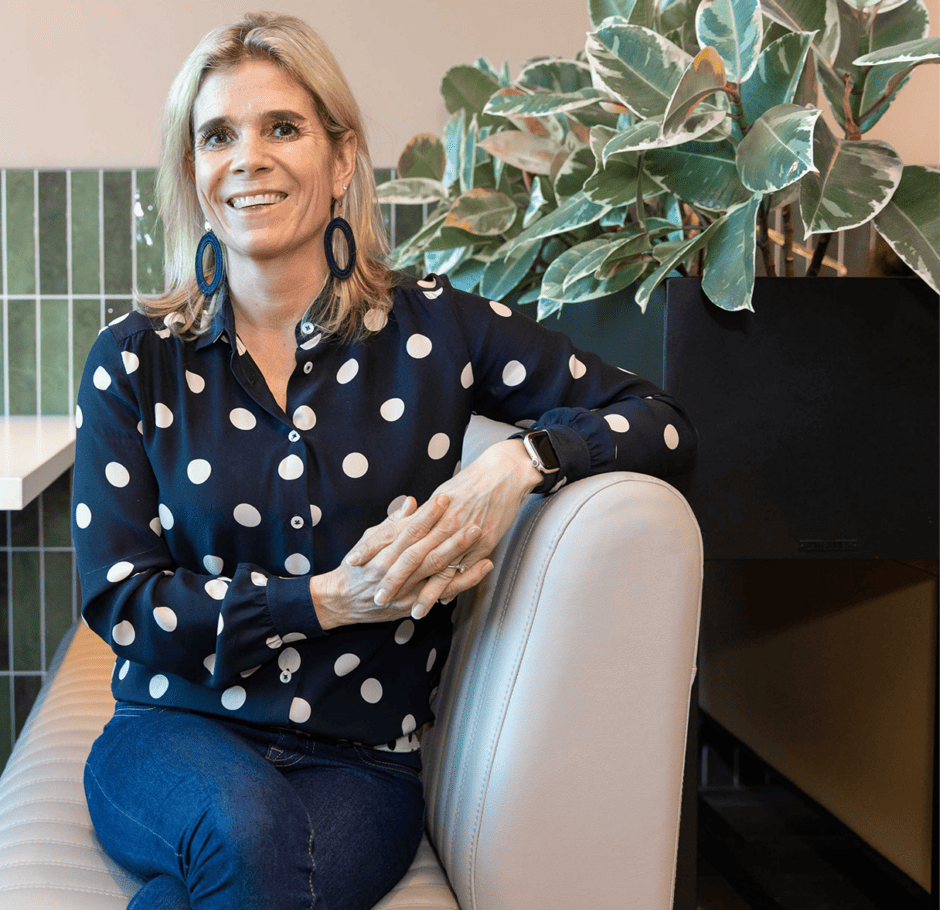
Juul te Veldhuis, Manager at the Helene Schweitzer Clinic
Initially, the plan was to turn the location in Zwijndrecht into a day treatment centre. But when, after the COVID pandemic, it turned out that elective care, which also requires an overnight stay, was trickling away from various specialties, we decided to broaden it. Market research carried out by Performation allowed us to study the market shares of a number of disciplines, and how they had developed in the previous years.
Te Veldhuis: ‘It turned out that we had lost market share for the group of relatively healthy elective care patients. And we were eager to get those patients back.’ This is how the idea was born for a clinic with a virtual fence around it so that elective care will never be scaled down – unless a serious emergency occurs. Decision documents were set up to list issues such as investments, costs, feasibility, and consequences for people and resources. Based on those documents, the board of directors granted its approval.
Launch
In order to make the plan more concrete, a core team covering the eight specialisms sat down together. Agreements were made about realistic admission and waiting times. And as a service level agreement, it was determined that the agreed care would always be provided. This means, among other things, that the required capacity and materials must always be available and that scheduling is carried out more efficiently.
‘You can aim for efficiency gains only, but if it causes people to burn out completely, you will miss your goal.’ – Anne Bischoff
Various task forces were created to set all of this up. In this way, engaged employees were able to contribute ideas, which was very much appreciated. The employees were also given additional training in hospitality. And a group of GPs was willing to contribute ideas about aftercare, accessibility and intervision. This is how, in a year and a half, we have worked towards the launch.
Learning from one another
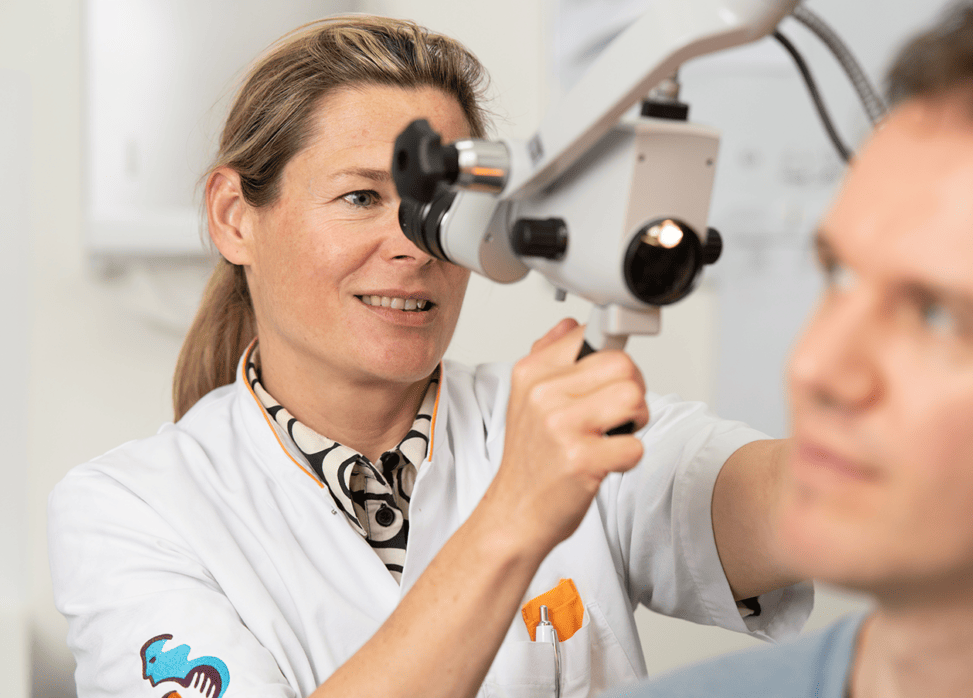
Anne Bischoff, ENT specialist
ENT is one of the specialisms for which all procedures have been performed at the Helene Schweitzer Clinic since then. ENT specialist Anne Bischoff is content about the clinic. ‘We are on the board together with the eight departments, and everyone is actually equally enthusiastic. It’s reassuring that elective care can now always continue. During COVID, we sort of had to take a backseat. But now, we are working together to see how we can do things better and more efficiently. You learn from each other, across disciplines.’
Meaningful care
In addition, we have a whole range of in-house specialisms, as opposed to a ZBC, which usually only focuses on one field. In our case, there’s no question of tunnel vision. We are an ordinary hospital where cases can be viewed from a multidisciplinary perspective. In addition, we have all necessary care at our disposal, and patients can stay overnight if they have to.” Te Veldhuis: ‘Furthermore, an added value is that we really look at what meaningful care is. Does a patient, so to speak, still want to run a marathon, or would they prefer to just sit back and take it easy? Together, we decide what the best suitable treatment is.’
Software-based assistance
After having gone live, the project is now in phase 2, which will last until mid-2024. This is known as the consolidation phase. Financial analyses are being made, and we are evaluating whether the existing frameworks would already allow for growth. Together with our employees, the clinic’s hospitality will be optimised further, and its efficiency will be examined.
Te Veldhuis: ‘For example, by making the changeover times and breaks in the OR more efficient, we can operate on more patients per day.” In addition, Performation’s software is used to look at how the available capacity can be used in the best possible way, both in the Albert Schweitzer Clinic and in the Helene Schweitzer Clinic. What is important, is that the employees are not forgotten in this entire process. Bischoff: ‘You can aim for efficiency gains only, but if it causes people to burn out completely, you will miss your goal. For us. it’s all about having healthy professionals as well.”
Proud
Bischoff and Te Veldhuis look back on the first weeks with a sense of satisfaction. ‘Access times are brief, and patients know where to find us,’ says Te Veldhuis. Bischoff: ‘We even have patients from other regions calling us.’ The successful start also reflects positively on the hospital. Bischoff: ‘When it comes to improving and innovating care, the Albert Schweitzer Clinic is currently the frontrunner, which gives the hospital a boost.
As a healthcare organisation, we can be truly proud of having taken this bold step together. That sense of pride is something we must cherish.’
Patients can visit the Helene Schweitzer Clinic from Monday to Friday for scheduled, low-complex procedures with an admission time of one to a few days. Acute, chronic and plannable, highly complex care is performed at the Albert Schweitzer hospital. Our staff work at both locations alternately. In the clinic, one surgical team performs a series of the same type of surgery a day. As a result, the team is completely in sync, creating rhythm and improving the quality of work. Orthopaedics, urology, ENT, ophthalmology, gynaecology, surgery, plastic surgery and the pain treatment centre are currently providing services at the Helene Schweitzer Clinic. This offering will expand gradually.
Data from all dental practices in one source system
A good, central place for collecting source data is key to manage data effectively. This will also help you make better decisions and work more efficiently. ‘Our most important needs were to gain insight into real-time management information and easily compare information across the different sites,’ says Willem Snieders, finance director at Tandarts Today. A source system that included all information from the connected dental practices offered the right solution.

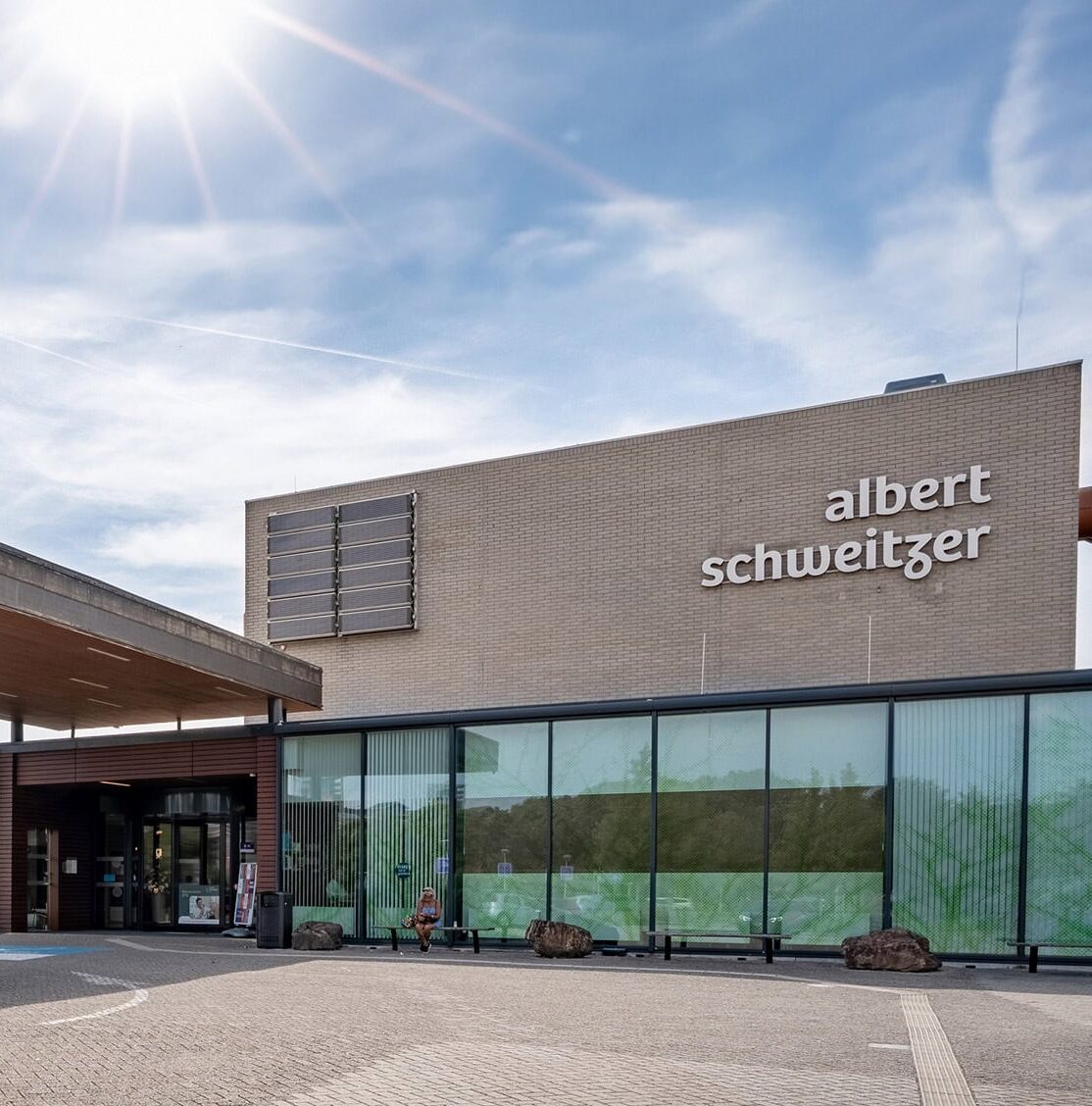 Independent treatment centres (in Dutch: Zelfstandige behandelcentra, or ZBCs) are springing up like mushrooms and relieving elective care from hospitals, with their short waiting times. At the Albert Schweitzer hospital they have also noticed this. In response, the Helene Schweitzer Clinic in Zwijndrecht, the Netherlands, opened its doors on 22 May 2023. A clinic where eight specialist teams perform scheduled, low-complex operations from Monday to Friday.